The Laptop Lifestyle Myth vs. The Reality of the American Workforce: Who Actually Runs This Country?
By Rene' Manfre
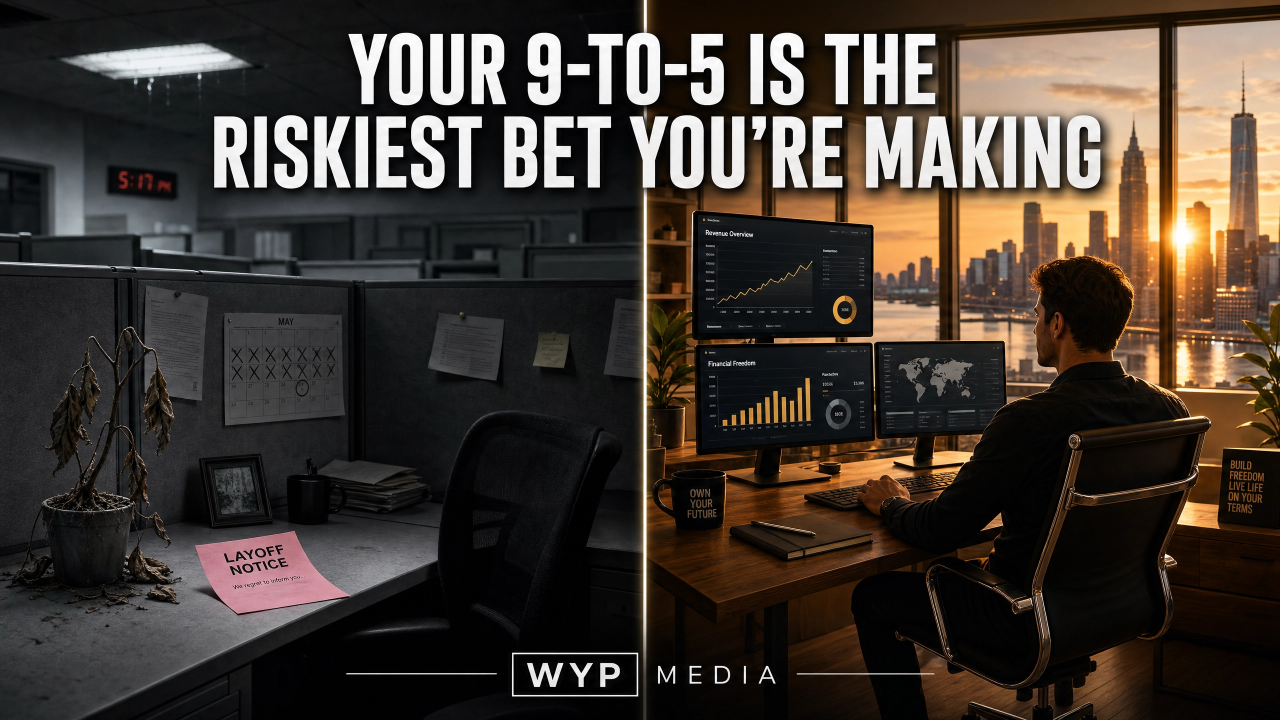
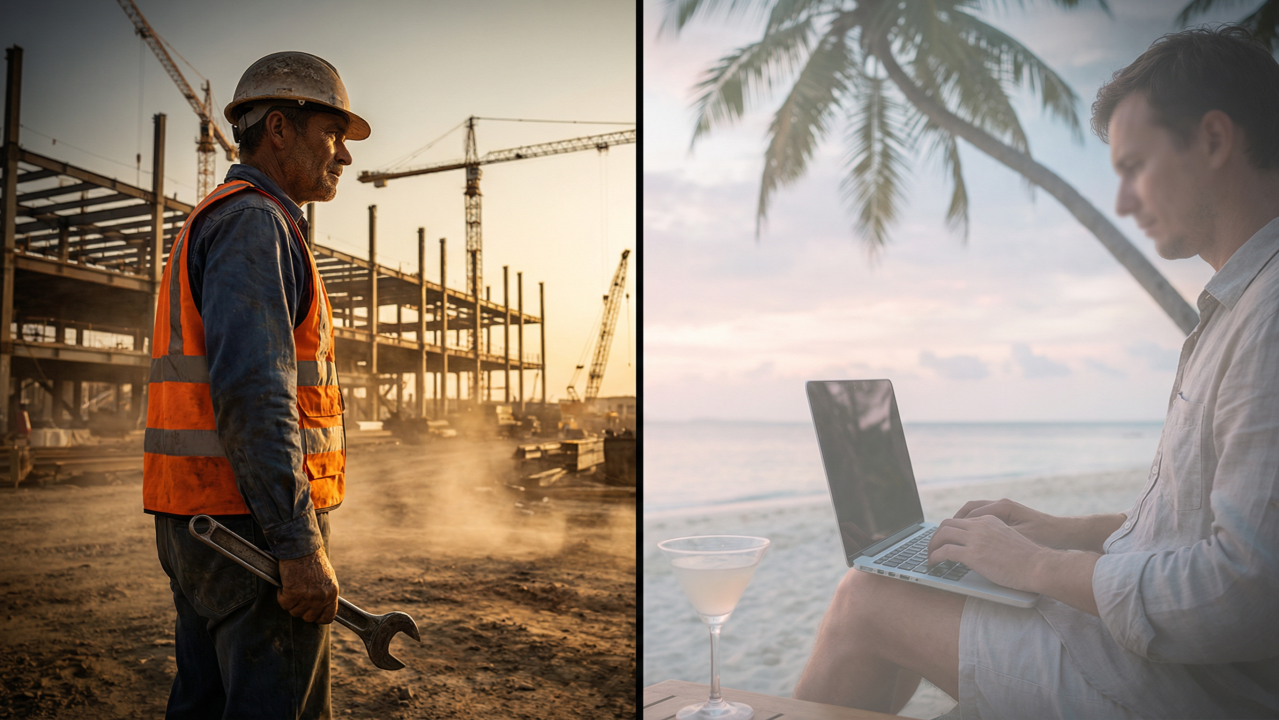
If you spend any time scrolling through social media today, you are inevitably bombarded with a specific, highly curated vision of success. It is the dream of the "laptop lifestyle." The imagery is consistent and intoxicating: someone sitting on a white-sandy beach, cocktail in hand, while passive income magically flows into their bank account. The message is clear—if you aren't making money while you sleep, you are doing it wrong.
I totally agree that it sounds amazing. We all want financial freedom, flexibility, and a life where we aren't tied to a desk or a grueling schedule. But the reality I see in the everyday world—the world where the vast majority of people actually live and work—is very different.
The reality I see is hard-working people who don't even view that internet dream as a tangible reality. And they aren't wrong. Because the truth behind the "passive income" myth is that building an online income takes massive time, effort, learning, and implementation. Furthermore, many people simply do not have digital skills they can package and sell over the internet.
And that is perfectly fine. In fact, it is necessary. Because while the internet economy is great, we still need real people doing real jobs to keep society functioning.
The Myth of Passive Income and the Laptop Lifestyle
The concept of "passive income" has been heavily commodified by course creators and online influencers. However, the reality of building a business—whether online or brick-and-mortar—requires immense active effort.
As business strategists and financial analysts consistently point out, passive income is not zero work; it is deferred work . You put in months or years of upfront labor to build a system that eventually pays dividends. For the average person, the idea that you can buy a $99 course and suddenly replace your income while sitting on a beach is a dangerous illusion that often leads to frustration and financial loss.
According to data on online business success rates, a significant percentage of people who attempt to build purely passive income streams fail to generate sustainable revenue . The entrepreneurs who do succeed are often working 60 to 80 hours a week behind the scenes, managing teams, running ads, and constantly pivoting their strategies. The grind is not glamorous, even if the Instagram photos suggest otherwise.
The Essential Workforce: Real People, Real Jobs

While the internet focuses on digital nomads, the physical world relies on a massive, essential workforce. These are the people who actually run the country.
Consider the transportation and supply chain sector. We still need workers on tugboats and barges moving massive amounts of merchandise and products along our inland waterways. Inland water transportation is a multi-billion dollar industry that moves critical agricultural and energy products . One liquid cargo barge can transport an amount equal to 144 tractor-trailers, making these waterway workers incredibly vital to the economy .
We also rely heavily on the trucking industry. More than 80% of American communities rely solely on trucks for essential goods, and millions of jobs are directly tied to trucking . Yet, the industry faces constant pressure to recruit and retain drivers in a demanding, high-stress environment.
Beyond transportation, consider the local service-based businesses that maintain our daily lives. We still need commercial and residential lawns cut and maintained. The U.S. landscaping and lawn care industry is massive, generating an estimated $184 billion in revenue and employing over a million people .
We still need the handyman to pull out the old stove and dishwasher, install the new ones, and fix the garbage disposal. The handyman services market in the U.S. is robust, employing over 1.5 million people who provide critical maintenance and repair work . We need people to paint our houses, fix our cars, and change our oil.
These are the jobs that cannot be outsourced to the cloud or automated by a software script.
The Crushing Reality of the Cost of Living
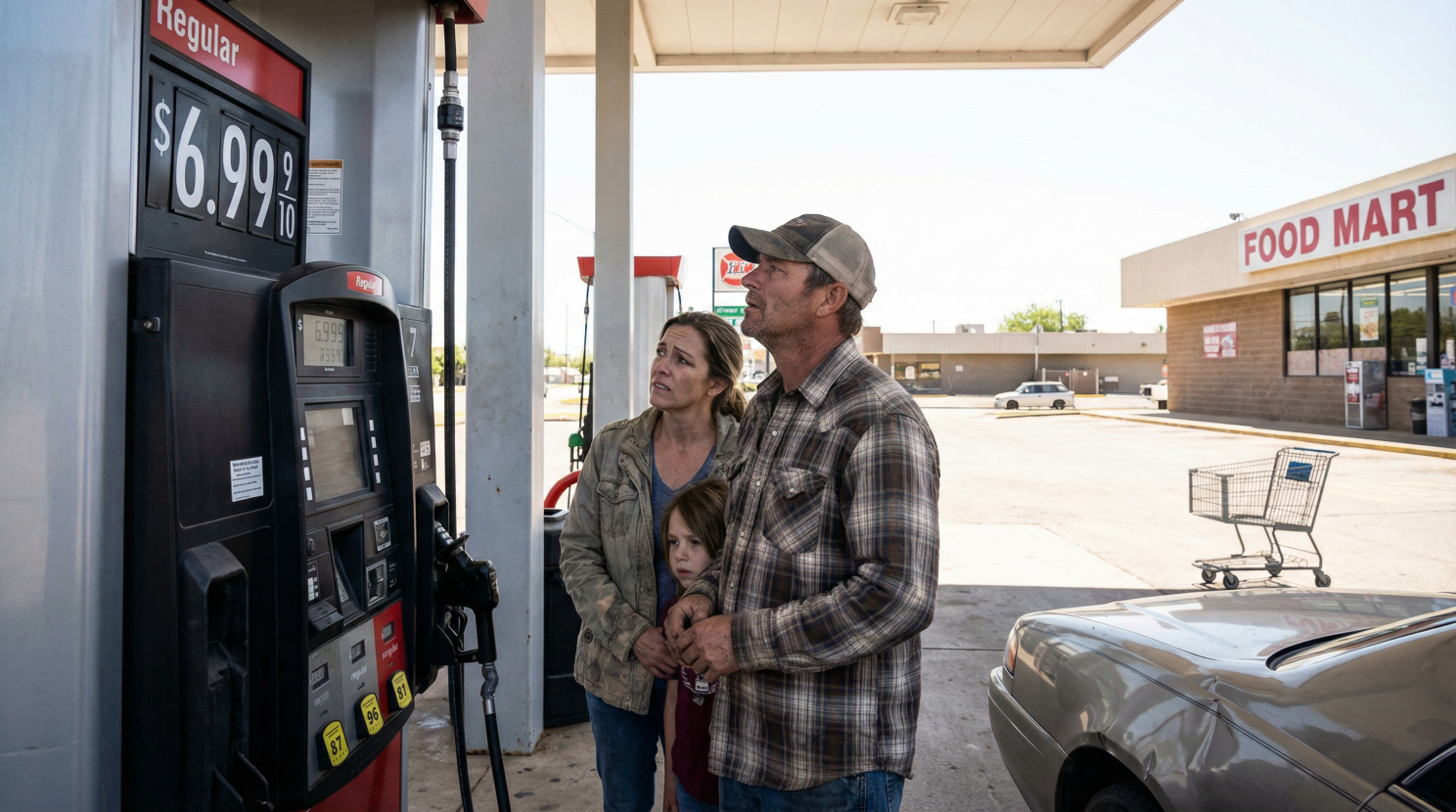
This is straight-up reality talk. Right now, the hard-working people in these essential roles are getting hit hard. The cost of living has created a severe affordability crisis for the working class.
While headline inflation numbers may show signs of cooling, the cumulative effect of the past few years has been devastating. Gas pumps, insurance hikes, and outrageous food prices mean that everything costs significantly more than it did just a few years ago.
Recent data indicates that the cost of a basic but secure American life has increased substantially, leaving many households feeling financially squeezed . Even with wage growth in some sectors, the rising costs of housing, childcare, and basic necessities are outpacing income for many blue-collar workers.
For the person driving a truck, running a lawn care business, or working as an electrician, the margins are getting tighter. They are working harder just to maintain the same standard of living.
The Enduring Value of Service-Based Businesses
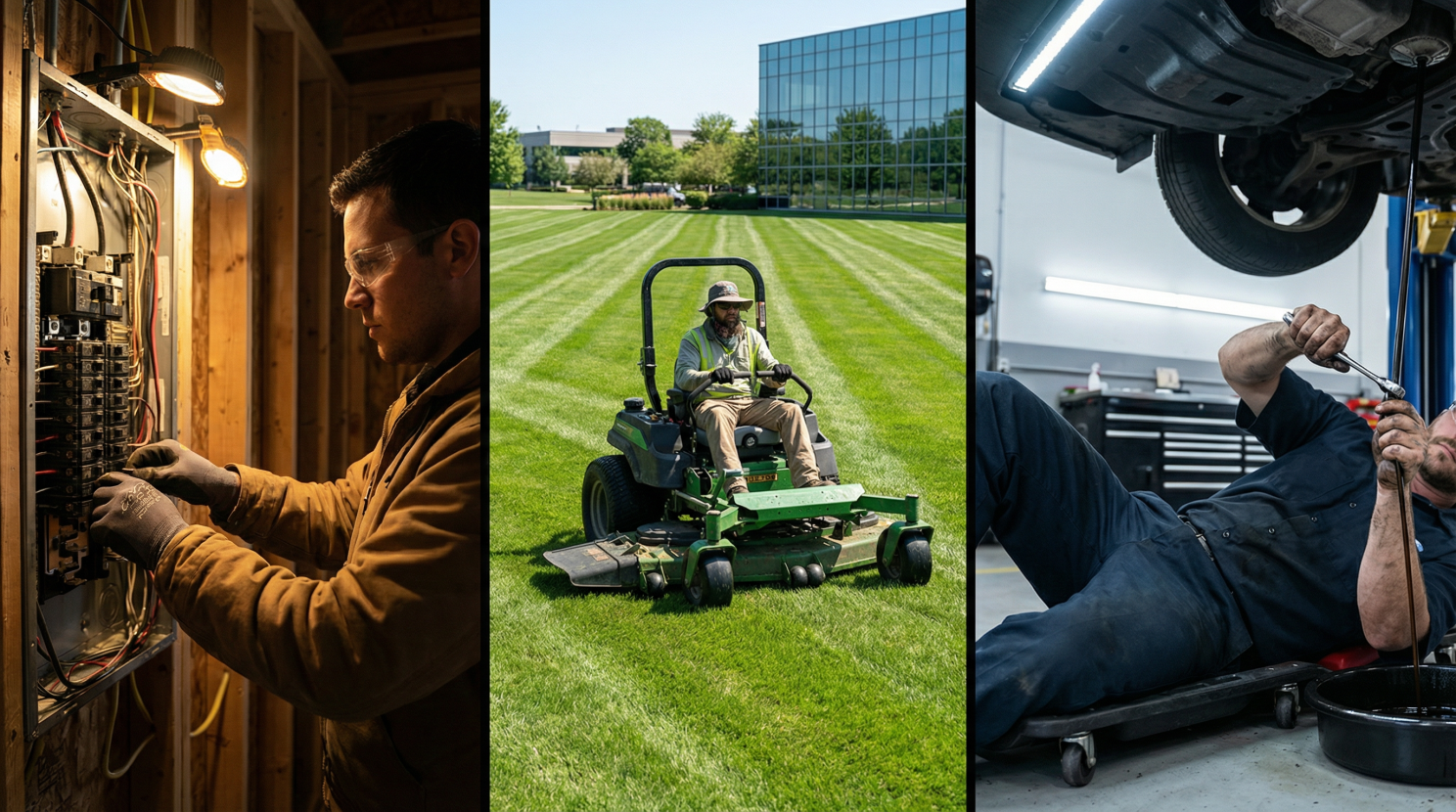
I have been operating and running service-based businesses for over 15 years. I love my online platforms, my coaching programs, my real estate investments, and the other revenue streams that I have built over time. But if I am being completely honest? My service-based businesses are what I work on every single day. These are the real income streams that give me the ability to invest the time into helping others.
Running a real, physical business means dealing with tangible realities. It means sending out estimates, collaborating with managers and team members, and finding new ways to realign our income opportunities. It also means constantly analyzing our operations to cut down expenses wherever we possibly can, especially in this current economic climate.
The service sector is not a relic of the past; it is a growing, vital part of the economy. The skilled trades, in particular, are facing a massive workforce shortage. The Bureau of Labor Statistics estimates that the U.S. will need hundreds of thousands of new tradespeople—electricians, plumbers, HVAC technicians, and construction workers—in the coming years to meet demand.
This shortage presents a massive opportunity for those willing to learn a trade and build a service business. While everyone else is trying to figure out how to sell digital products, the demand for physical, hands-on services is skyrocketing, driving up wages and creating real, sustainable business opportunities.
Industry Sector | Estimated Market Size / Demand | Key Workforce Challenges
| Skilled Trades (Plumbing, Electrical, HVAC)
| High projected growth (9%+ for electricians) [10] | Massive labor shortage; projected 1.4M unfilled jobs by 2030 [11] |
| Landscaping & Lawn Care | ~$184 Billion (2025 estimate) [6] | Rising equipment and fuel costs; seasonal labor retention |
| Transportation & Trucking |
Critical to 80%+ of US communities [5] | Driver retention; aging workforce; regulatory pressures |
| Handyman & Maintenance |
1.5+ Million employed in US [7] | Scaling operations; managing material costs |
The Role of AI: A Tool, Not a Replacement

In all of this, we cannot ignore the rise of Artificial Intelligence. AI has been a great tool for my teams. We are building new ways for the future using it, streamlining our administrative tasks, improving our marketing, and optimizing our scheduling.
But we cannot rely on it totally, and I do not see that changing anytime soon.
AI is a powerful lever for efficiency, but it cannot swing a hammer. AI cannot fix your plumbing when a pipe bursts at 2:00 AM. It cannot mow your commercial property, it cannot transport a barge full of grain down the Mississippi River, and it cannot replace the nuanced, physical problem-solving required by a skilled mechanic.
Real businesses are built by real people doing the hard work every single day.
Conclusion: Respecting the Grind
The internet will continue to sell the dream of effortless wealth, and there is nothing wrong with leveraging digital tools to build additional income streams. But we must ground ourselves in reality.
The backbone of our economy is not built on passive income; it is built on active labor. It is built by the men and women who wake up early, put on their boots, and do the physical work required to keep our homes, our cities, and our supply chains functioning.
If you are out there grinding in a service-based business or a hands-on trade, navigating the rising costs and the daily challenges of running a real company—I see you. The work you do matters. It is essential, it is valuable, and it is the true reality of business.