Louisiana’s Levee Bonfires: When Passion, People, and Purpose Light the Night
There’s a moment every year in Louisiana when you realize something special is happening.
It’s not in a boardroom. It’s not on a stage. It’s not trending on social media.
It’s on the levee.
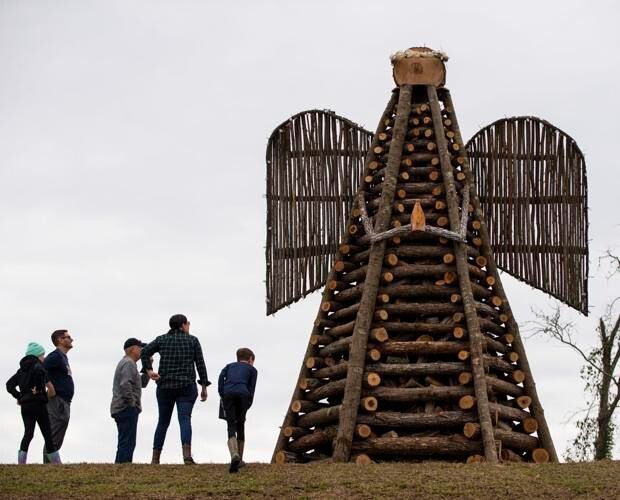
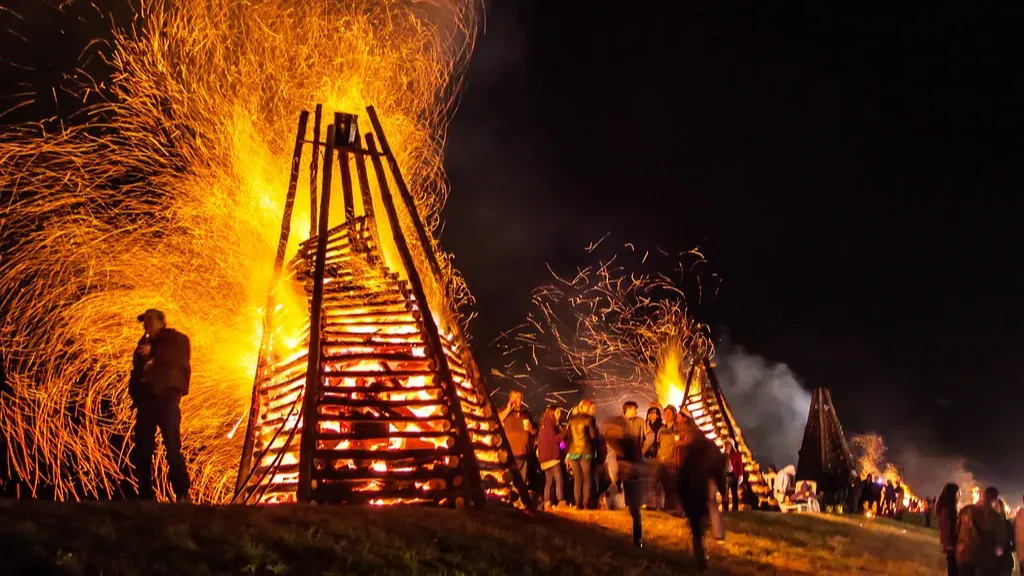
Every December, along the Mississippi River—especially in the River Parishes—families, neighbors, and entire communities come together to build towering bonfires for Christmas Eve and New Year’s. What starts as stacks of wood becomes living monuments—reindeer, stars, fleur-de-lis, boats, and symbols that represent who these people are and where they come from.
And every year, more people show up to build.
This isn’t a trend driven by marketing
It’s driven by meaning.
Long before drones and destination travel lists, these fires were lit to guide the way—some say for Papa Noël, others for families heading home after Midnight Mass. But today, the reason feels even deeper:
👉 They guide people back to each other.
🪵 Built by hand. Fueled by heart.
What outsiders see as a “spectacle,” locals know as weeks of late nights, teamwork, and quiet pride.
- Men and women stacking logs after work
- Kids learning by watching, then helping
- Gumbo pots, laughter, stories, memories
- Arguments about design… and laughter about it later
These bonfires aren’t slapped together. They’re engineered, planned, and protected—because everyone wants it to burn tall, clean, and right.
That care says everything.
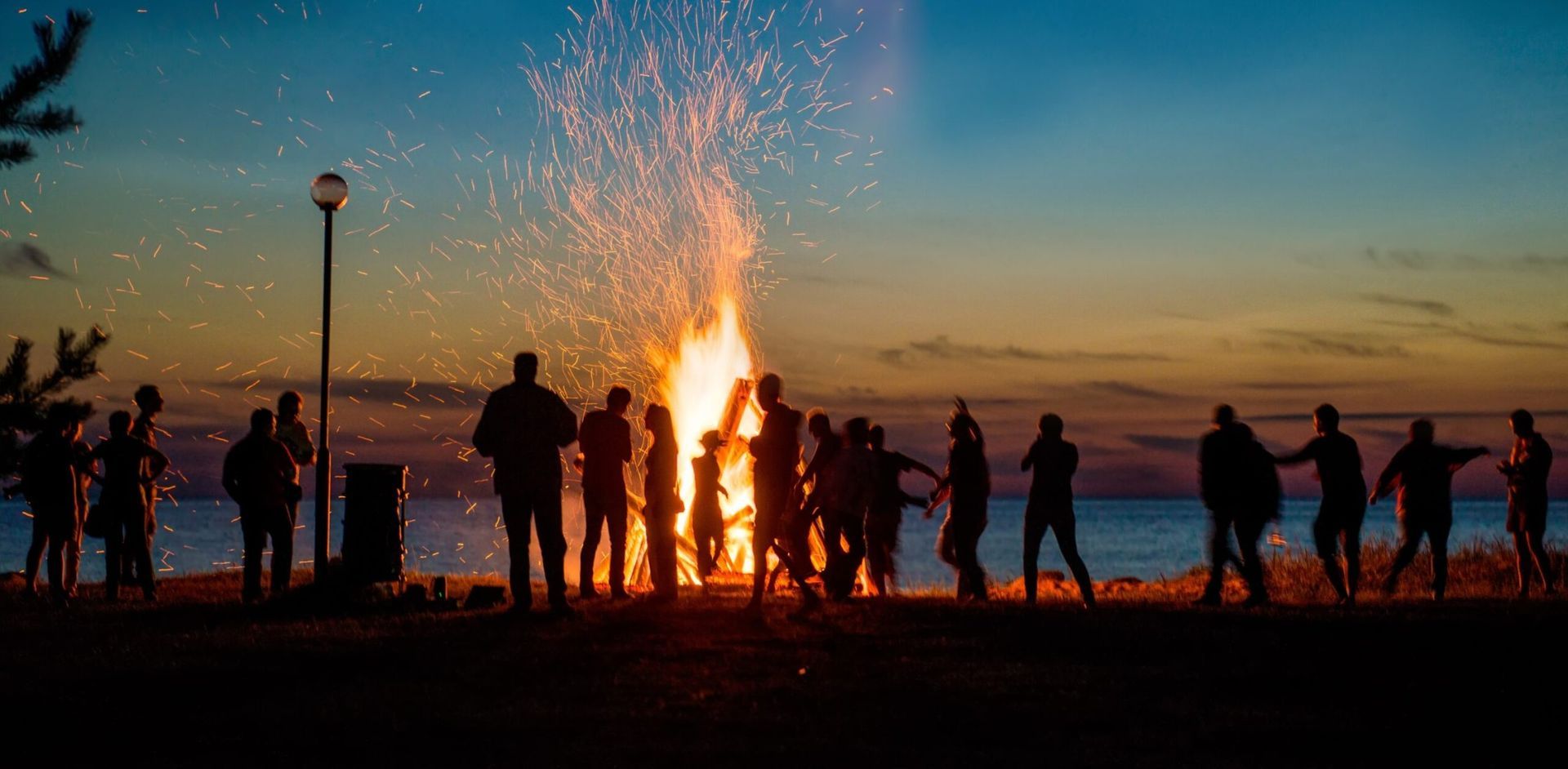
💬 Voices from the levee (real stories, shared experiences)
“I didn’t know my neighborhood still had this in it.”
“I moved back home thinking the holidays were just stress and spending. Then I helped stack logs one night. By the third night, I realized I was rebuilding friendships I didn’t even know I missed.”
“We build for the ones who can’t anymore.”
“Some of the guys we started this with are gone. Lighting the fire feels like saying their names out loud. Like they’re still with us.”
“I came to watch. I left wanting to belong.”
“I thought I’d stay 20 minutes. I stayed hours. It didn’t feel like an event—it felt like a community inviting me in.”
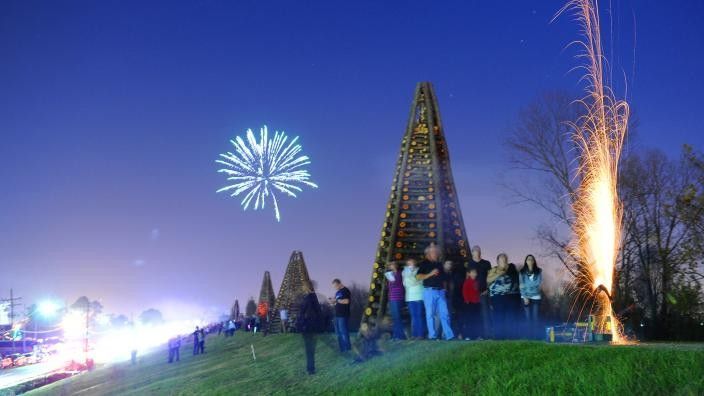
📈 Why the passion keeps growing every single year
This is what’s fascinating—and inspiring—especially for leaders, builders, and entrepreneurs:
✔ People crave hands-on purpose
✔ People want traditions that require participation
✔ People are hungry for belonging, not just entertainment
In a digital world, Louisiana’s levee bonfires succeed because they are:
- Physical
- Communal
- Intergenerational
- Unapologetically local
No algorithms. No sponsors needed. Just people showing up.
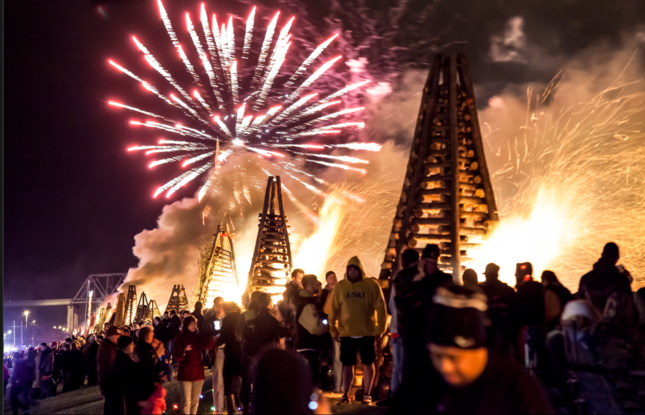
🌉 A lesson bigger than the fire
There’s something here we can all learn from—whether you’re building a company, a team, or a community:
🔥 What you build together lasts longer than what you build alone.
🔥 Culture is created through shared work, not shared slogans.
🔥 Traditions survive when people feel ownership—not obligation.
These bonfires remind us that passion grows when people have a role, not just a seat in the crowd.
Louisiana doesn’t just celebrate the holidays
We build them.
And every year, as those fires light the levee, you can feel it:
This isn’t just Christmas. This is identity. This is pride. This is Louisiana.