Cashflow Mastery The Real Game of Money, Freedom, and Control
Cashflow Mastery The Real Game of Money, Freedom, and Control
Cashflow Mastery: Understanding the Work Behind Financial Growth
In today’s world, many people are working harder than ever, yet still feel like they are running on a financial treadmill. Income comes in, bills go out, and the cycle repeats month after month. The real issue is not always effort—it is understanding how cashflow actually works.
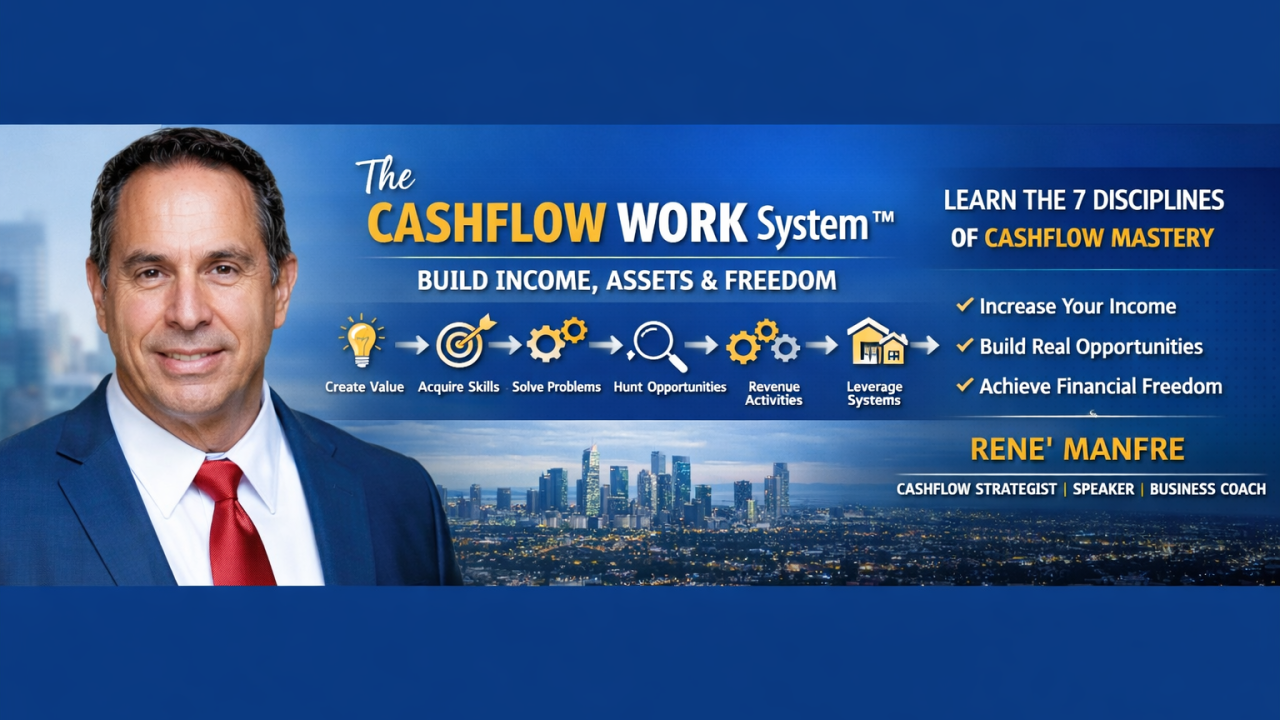
Cashflow mastery is the ability to intentionally create, manage, and grow the flow of money in your life and business. It requires more than a paycheck; it requires value creation, skill development, disciplined work, and strategic thinking. Whether you are an entrepreneur, sales professional, employee, or business leader, the principles of cashflow remain the same.
When you understand how to connect your daily actions to value in the marketplace, opportunities begin to expand. Cashflow mastery is not reserved for the wealthy or the fortunate. It is a learned discipline that anyone can apply to create stability, opportunity, and long-term financial independence.
Instead of just 7 Disciplines. I added a total of 12.
1. The Real Problem: Most People Chase Income Instead of Cashflow
Income is temporary. Cashflow is freedom.
- High income does not equal financial freedom
- Most people are trapped in the Income → Bills → Repeat cycle
- Society teaches:
- Wealth builders focus on:
- Financial stress is not about income — it is about
cashflow imbalance
“If your income stops today… how long does your lifestyle continue?”
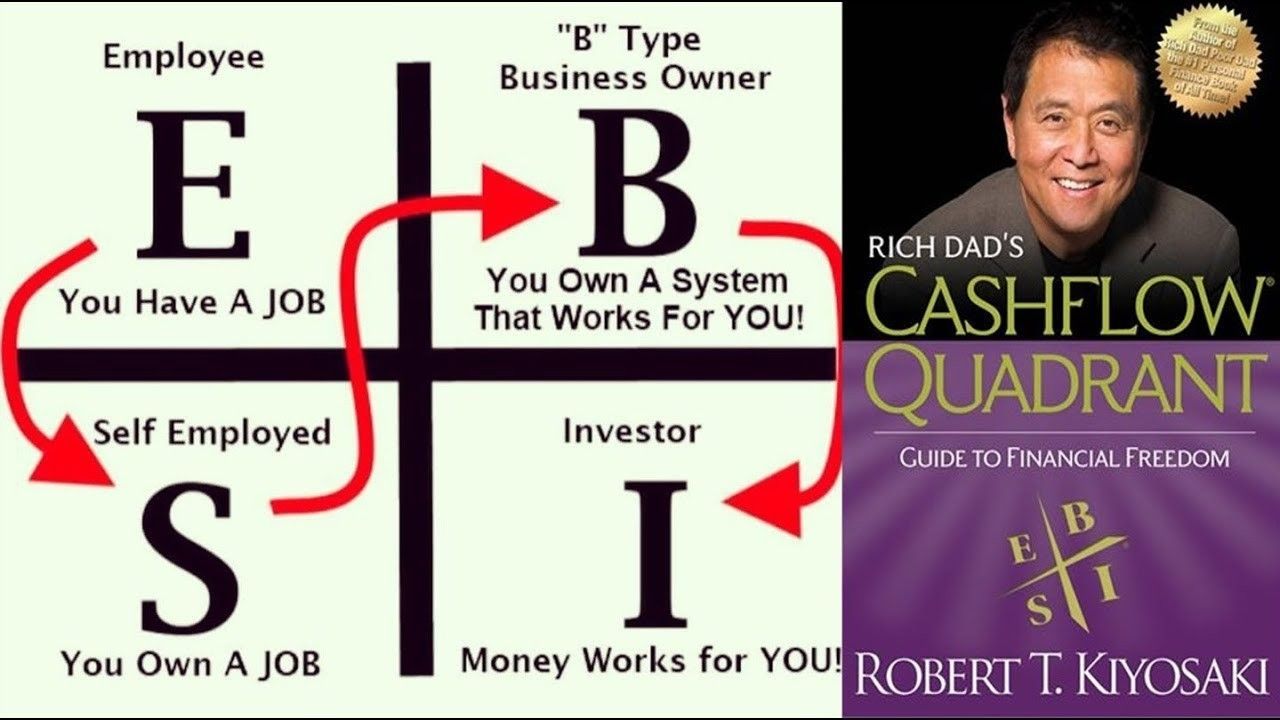
2. The Four Ways Money Is Earned
The world operates on four economic positions.
Employee
- Trades time for money
- Highest tax burden
- Limited control
Self-Employed
- Owns a job
- Income tied to personal effort
- Freedom illusion
Business Owner
- Systems produce income
- Team creates leverage
- Scalable
Investor
- Money works
- Assets produce income
- Time freedom
Key Truth
The fastest path to freedom is moving from labor income to asset income.
3. The Difference Between Assets and Liabilities
This single concept changes lives.
Assets
- Put money in your pocket
- Produce income
- Grow in value
Examples
- Rental property
- Businesses
- Dividend stocks
- Intellectual property
- Licensing
- Digital assets
Liabilities
- Take money from your pocket
Examples
- Car payments
- Consumer debt
- Lifestyle upgrades
- Interest payments
Key Idea
Wealthy people buy assets first… lifestyle later.
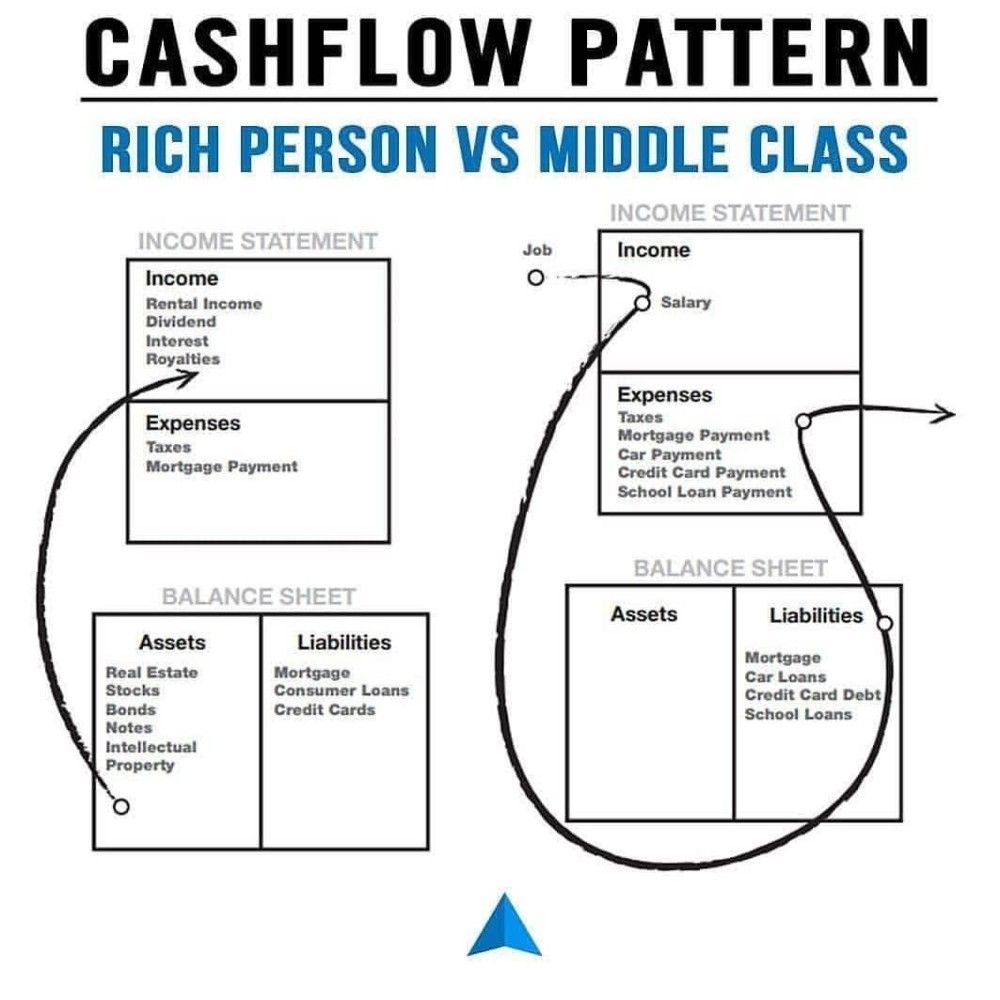
4. The Cashflow Equation
Income Streams
- Earned income
- Business income
- Passive income
- Portfolio income
Expenses
- Lifestyle
- Debt
- Taxes
Financial Freedom Formula
Cashflow from assets > Living expenses
When this happens…
You have financial independence.
5. The Wealth Building Pyramid
Level 1 – Survival
- Income covers expenses
Level 2 – Stability
- Emergency savings
- Debt reduction
Level 3 – Cashflow Creation
- First income producing asset
- Side business
Level 4 – Asset Expansion
- Multiple income streams
- Investments scaling
Level 5 – Financial Freedom
- Assets cover lifestyle
- Work becomes optional
6. The 5 Core Cashflow Streams
- Business ownership
- Real estate
- Equity investments
- Intellectual property
- Licensing and royalties
Key Insight
Most millionaires have 4–7 income streams.
7. Cashflow Thinking vs Consumer Thinking
Consumer Thinking
- Buy first
- Pay later
- Work longer
Cashflow Thinking
- Buy assets first
- Assets pay expenses
- Lifestyle funded by cashflow
Example
Instead of buying a $70,000 truck:
- Build an asset producing $1,200/month
- That asset buys the truck.
8. The Cashflow Acceleration Strategy
How people escape the paycheck cycle.
Step 1 — Increase income capacity
Step 2 — Control lifestyle inflation
Step 3 — Acquire income producing assets
Step 4 — Reinvest cashflow
Step 5 — Repeat aggressively
Momentum creates freedom.
9. Modern Cashflow Opportunities (2026 Economy)
The world has changed.
New asset classes exist.
Examples:
- AI businesses
- Digital products
- Online education
- Content monetization
- SaaS services
- Real estate partnerships
- Service companies
- Licensing
You no longer need millions to start.
10. The Most Important Cashflow Habit
Track the flow of money.
Weekly questions:
- What produced income?
- What consumed money?
- What assets did I add?
- What liabilities did I eliminate?
What gets tracked gets improved.
11. The Freedom Question
Ask your audience:
- If your job disappeared tomorrow…
- Would your assets pay your bills?
- Would your systems produce income?
- Would your investments sustain your life?
If not…
You are still in the Rat Race.
12. The Cashflow Mastery Mindset
Financial freedom requires:
- Ownership thinking
- Asset accumulation
- Long-term vision
- Financial literacy
- Execution
“Cashflow mastery is not about becoming rich. It’s about becoming free.”