The Consumerism Trap: Why You’re Programmed to Keep Buying What You Don’t Need

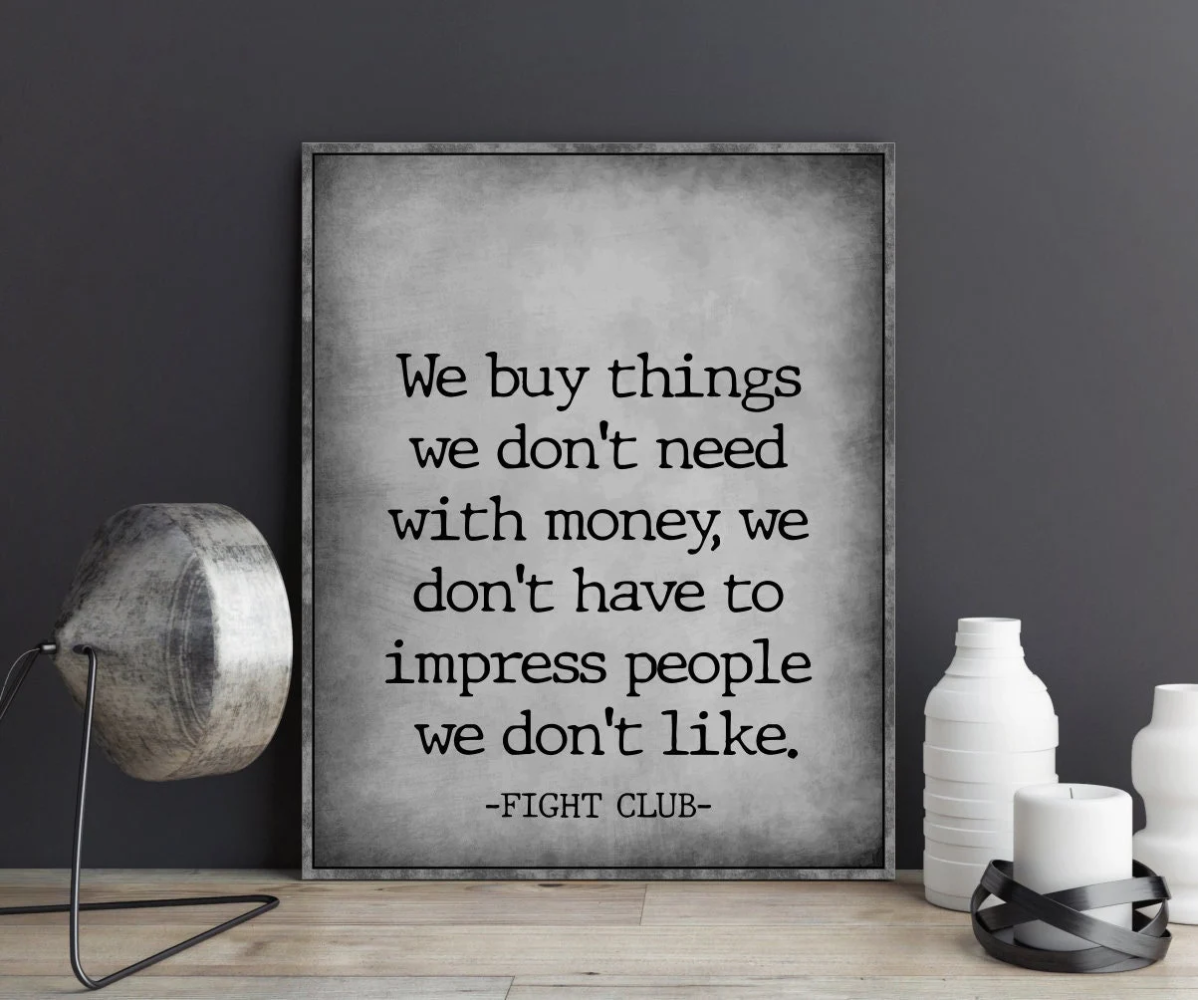
In a world driven by relentless marketing and psychological manipulation, are we truly making our own purchasing decisions, or have we been brainwashed into a cycle of endless consumption?
The Netflix series Buy Now sheds light on an unsettling truth: We are being programmed to spend, replace, and repeat—trapped in an illusion of necessity, while drowning in excess.

The Illusion of Need vs. Actual Necessity
How many shoes do you own? How many jackets, cars, or gadgets have you replaced—not because they were broken, but simply because they were “old” or out of style? The harsh truth is that most of us have more than enough. We are not buying to fulfill a need; we are buying to satisfy an artificially created desire.
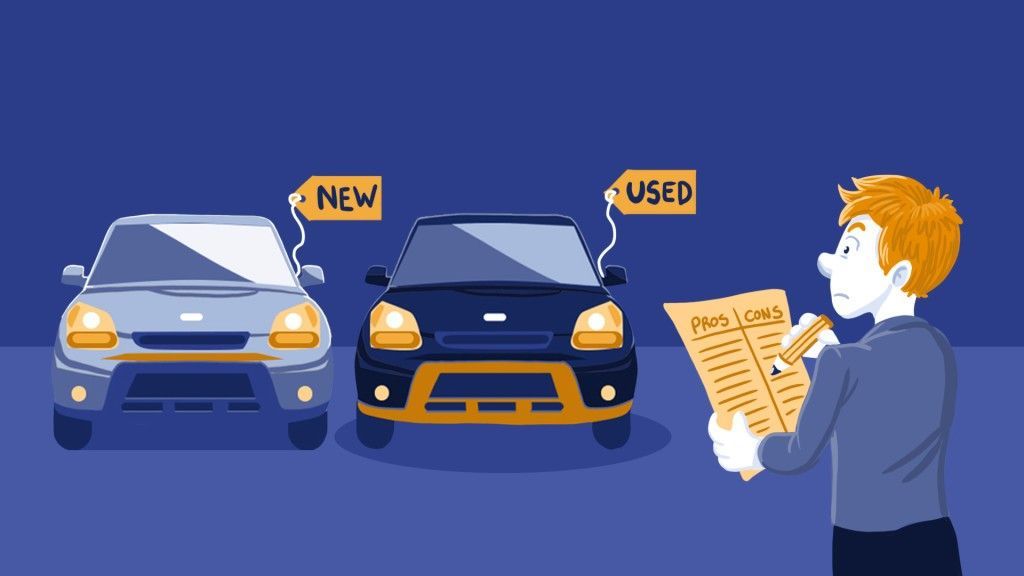
Brands, advertisers, and corporations have conditioned society to believe that anything over a few years old is obsolete. A perfectly functional smartphone is suddenly outdated when a new version is released. Your car, still running like new, somehow feels inadequate once a sleeker model hits the market. Clothing trends shift so rapidly that your “in-style” wardrobe from last season is suddenly labeled outdated.
But who decides what is “old” and what is “new”? And more importantly, why have we agreed to play along?
The Brand Name Manipulation
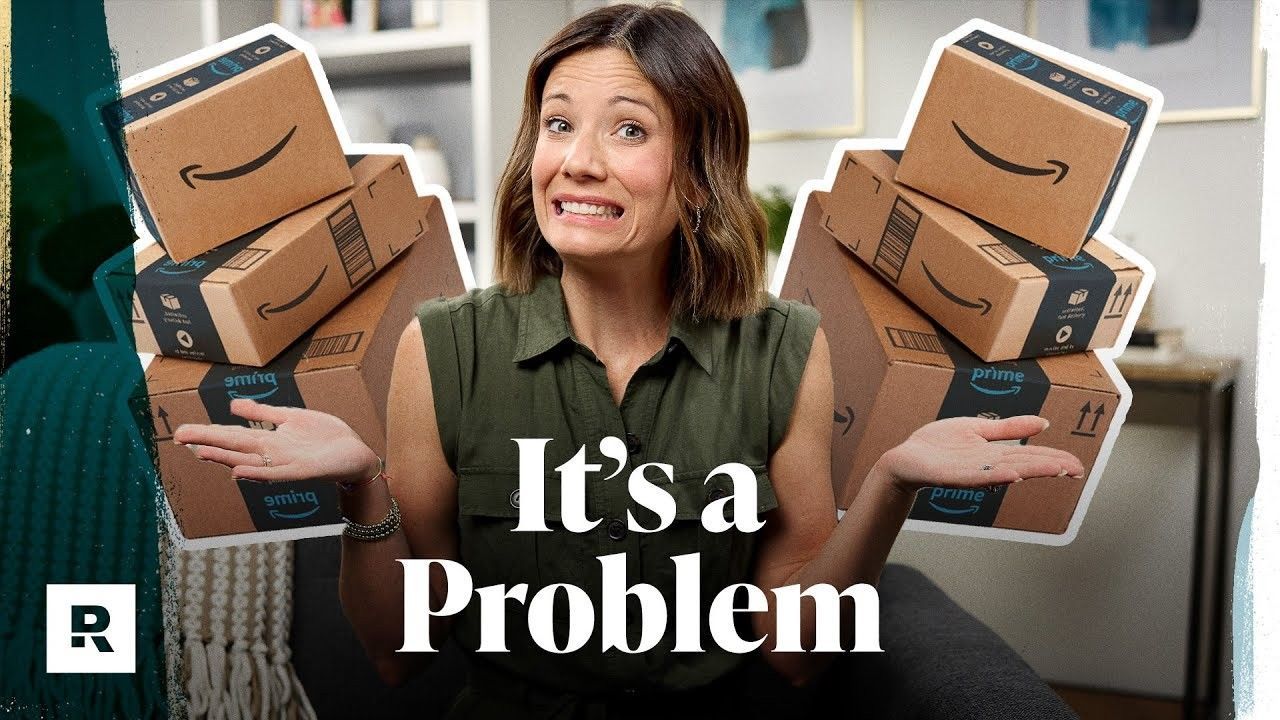
The pressure to own name-brand items is another dangerous psychological trap. From Nike to Louis Vuitton, Rolex to Tesla, we are made to believe that brand names define our status and success. But here’s the truth: Owning a $1,500 iPhone does not make you wealthier, just as wearing designer clothes does not make you more valuable. It only makes you another player in the game of excessive spending—a game designed to keep you financially enslaved.
Why is a pair of Nikes worth $200 while a no-name alternative, made from the same materials in the same factory, costs $50? Simple: branding, marketing, and consumer perception. Society has been tricked into equating high price with superiority, even when the difference is purely cosmetic.
Planned Obsolescence: The Corporate Scheme to Keep You Spending
Ever wonder why electronics seem to fail right after the warranty expires? Or why software updates suddenly slow down your once-speedy device? This isn’t accidental—it’s planned obsolescence. Manufacturers intentionally design products with limited lifespans to ensure you come back for more. The same strategy applies to fashion, automobiles, and even household appliances.
If companies truly cared about sustainability, they would prioritize durability, repairability, and longevity. Instead, they thrive on a wasteful cycle of forced replacements. Meanwhile, landfills overflow with last year’s models, and consumers remain shackled to an endless spending loop.
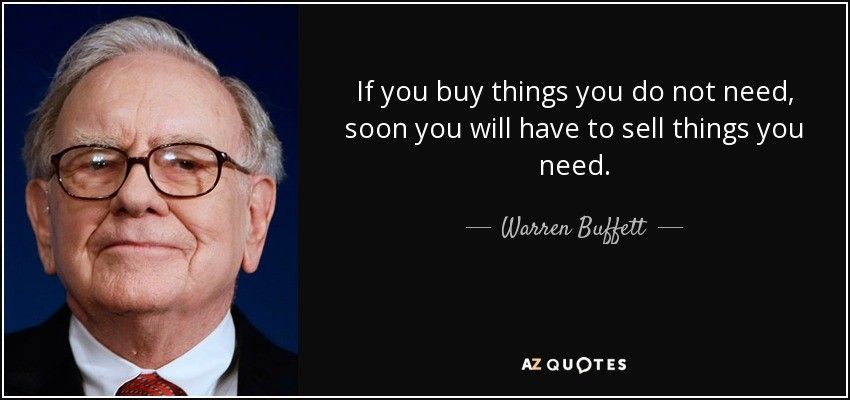
The Social Media Factor: Keeping Up with the Fake Lifestyle
Social media platforms have become the ultimate tool for reinforcing this consumerist mindset. Influencers flaunt their latest purchases, subtly (or overtly) pressuring followers to “keep up.” Advertisements are woven into content so seamlessly that we barely recognize them as ads anymore.
The irony? Many of these influencers are being paid to promote products they don’t even care about, while the average person empties their bank account chasing a fantasy.
Breaking Free: How to Escape the Consumerism Trap
- Recognize the manipulation. Be conscious of how advertisements, trends, and social pressure influence your spending habits.
- Ask yourself: Do I truly need this? Before making a purchase, determine whether it’s a genuine necessity or just an impulse.
- Reject brand loyalty. Expensive doesn’t always mean better. Seek quality and value over a logo.
- Embrace minimalism. The less you own, the less you have to replace.
- Stop equating spending with happiness. True fulfillment comes from experiences, relationships, and personal growth—not from accumulating more stuff.
The truth is, we have been brainwashed into believing we always need more. But the reality is, we already have enough.
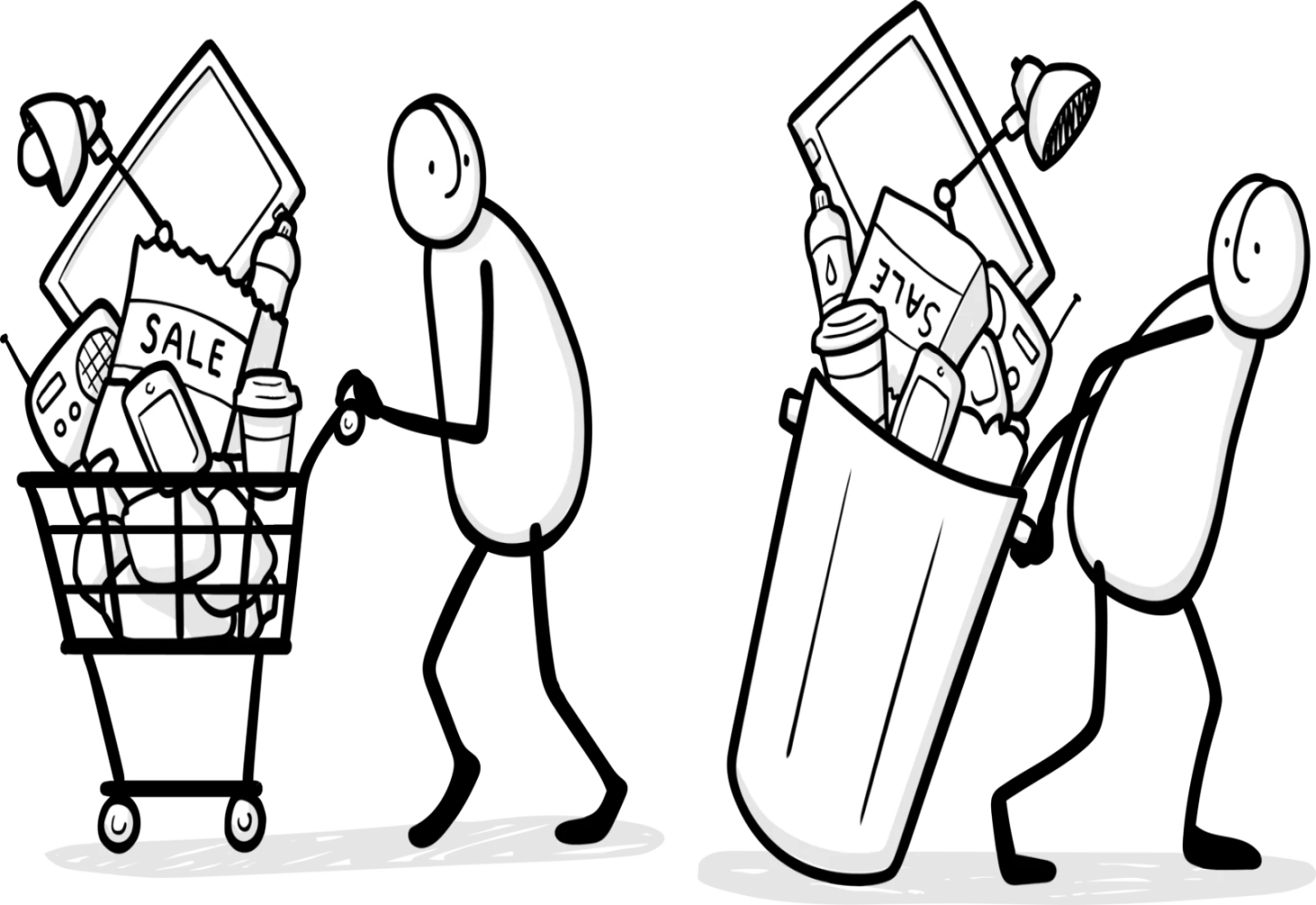
The choice is ours: remain a cog in the consumerist machine, or break free and reclaim our financial and mental freedom.
The question is—will you keep buying the lie?